
The LEAF @ Rockingham
Forest School
At Willow Tree Academy we strive for a Profound Primary Curriculum which provides children with opportunities beyond the classroom. Forest School and outdoor learning has an important role to play in connecting children to nature as we strive towards a sustainable future for all.
Whilst understanding the benefits green spaces and outdoor learning can have in aiding children’s mental health and well being. We understand that children learn and are creative in different ways and allowing children the opportunity to work in a natural environment can benefit them academically. After all, nature has inspired generations of artists, writers, musicians, inventors, scientists and mathematicians to create and innovate-as teachers we can use different places innovatively to inspire our children in the joy of learning.
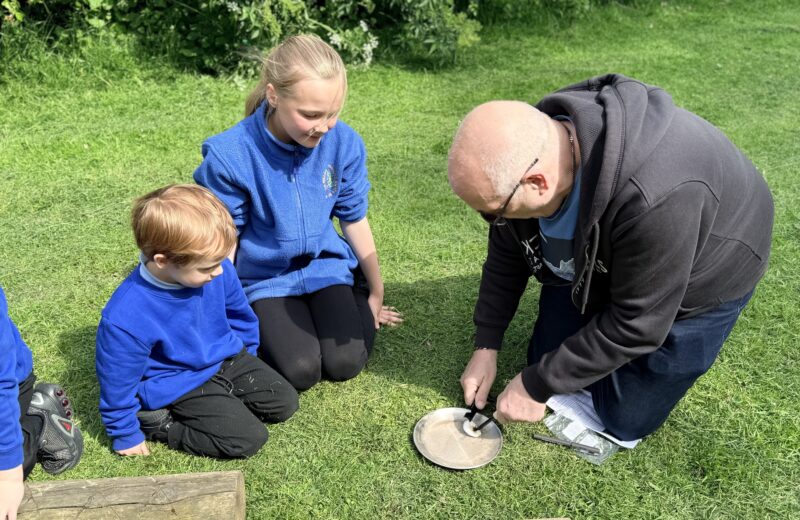
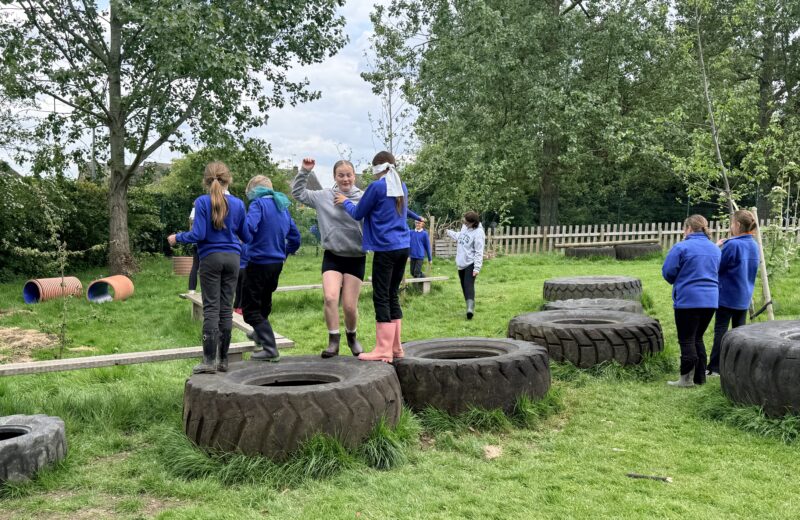
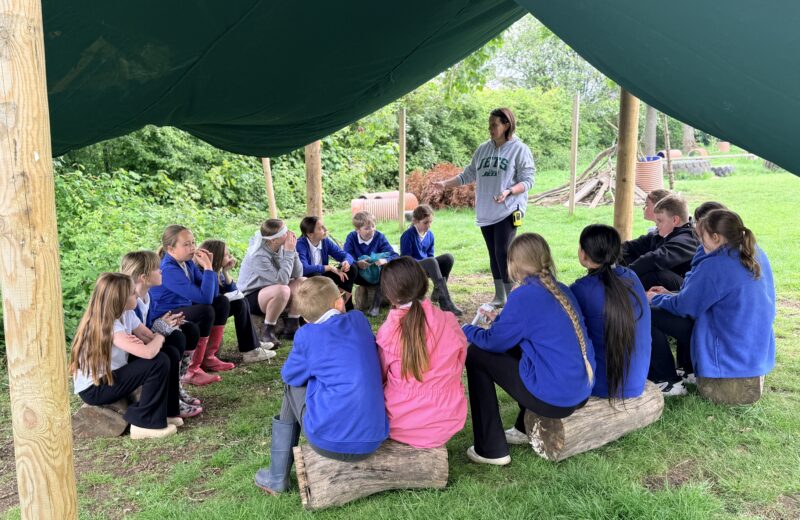
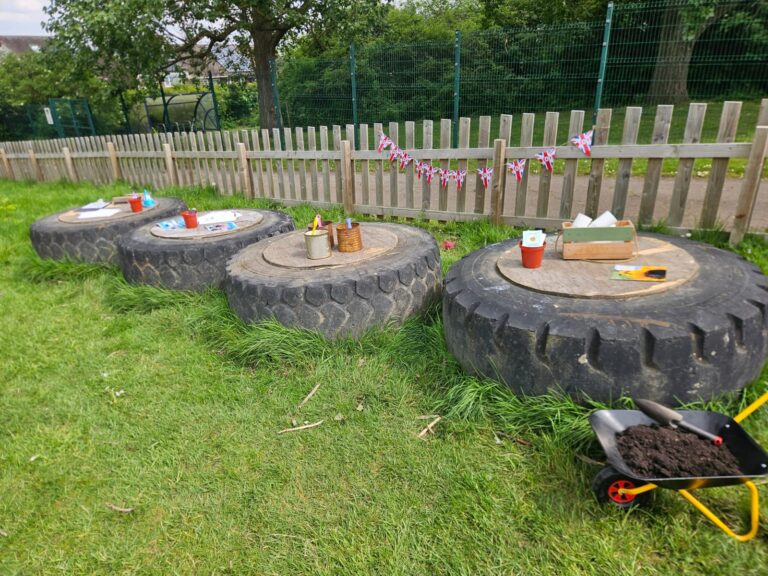
Forest School and Outdoor Learning Ethos
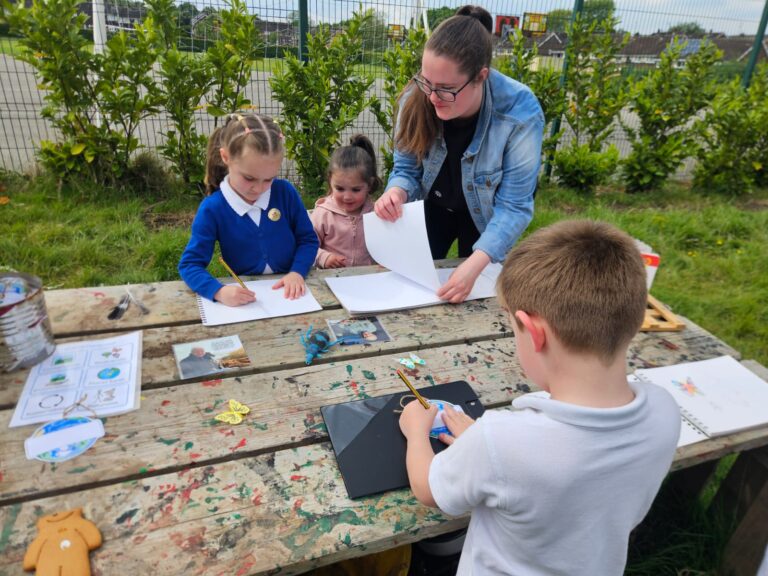
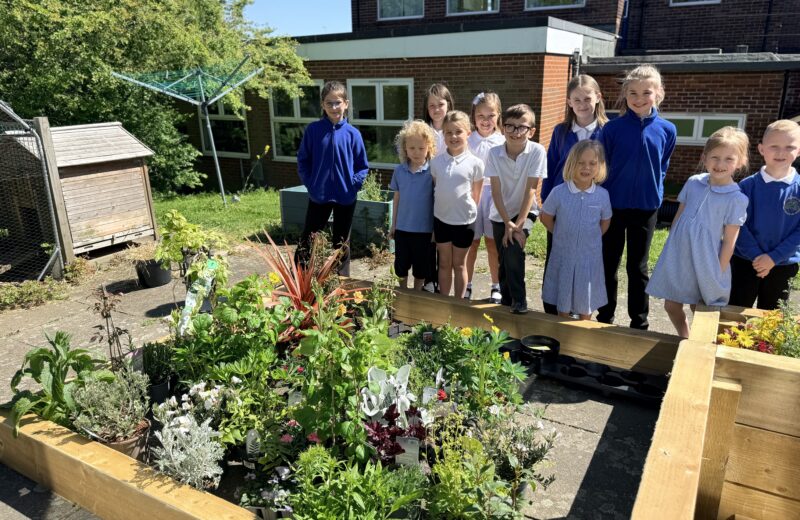
Within Rockingham, Forest School and outdoor learning is creating a philosophy and a way of working with children in any outdoor environment rather than a classroom setting. It allows all children to thrive and supports those children with additional needs not only in our school but within the Academy, particularly our LEAF Center cohort. It promotes inclusion for all, especially our most vulnerable.
Opportunities to promote self-esteem, creativity, confidence, corroboration, resilience and independence for all children.
Sessions that build on the needs and development of children through a regular routine and habit rather than one-off days in the woods.
It enables supported risk-taking, child-centred playful learning, exploration and creativity in a sustainable, nurturing natural environment.
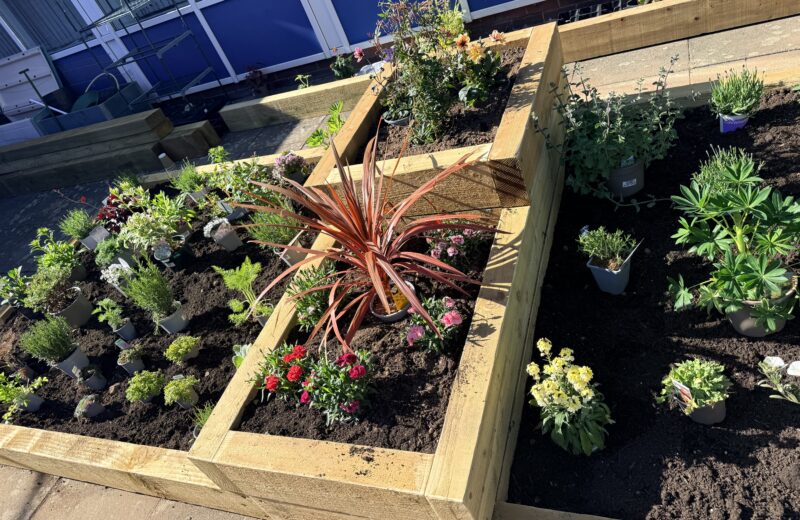
Allowing opportunities for all children to work in a variety of outdoor settings and is not exclusively based in the woods.
Good for the planet and good for the citizens of the future
The main aim of the Forest School areas will support children in creating links between them and the natural world. This will allow them to see and strive for a sustainable future and allow them to be the change makers of tomorrow. In turn allowing children to understand and consider environmental impact enables them to make meaningful changes to their environments and develop their confidence and develop their responsibility and sense of stewardship.
Research in the UK into Forest Schools and its impacts on young children found positive impacts on children in terms of confidence, social skills, language and communication, motivation and concentration, physical skills and knowledge and understanding.
Literature and research suggest outdoor learning as part of a planned approach will:
• Increase attainment in specific subjects
• Impact positively on the health and well being of young people
• Help develop responsible citizens and lifelong appreciation if the natural world
• Improve the social and communication skills of young people
• Effectively weave together many of the strands of education for sustainable development
Studies have also shown that children who had significant, direct contact with the natural world were better able to deal with stresses in daily life compared to those who had not had these outdoor experiences. Outdoor experiential learning activates many different parts of the brain causing the learning to ‘stick.’ Chip and Dan Heath 10 year study suggest there are six principles which make an experience or story impact our memory: SUCCESS formula- simple, unexpected, concrete, credible, emotional, stories. These are easily achievable and lend themselves to the outdoors.
It is argued that developing this relationship with nature early on, right from our youngest 2 year old children, might not only bring about positive results for children’s mental health but also impact their future, and how they act in relation to the environment.
As children are the future policymakers, it would seem appropriate to enable them to have positive experiences with the environment to inform better decision making in the future.